Academia.eduAcademia.edu

Ibn Kammuna

description53 papers
group3,259 followers
lightbulbAbout this topic
Ibn Kammuna (d. 1284) was a Jewish philosopher and physician in medieval Islamic philosophy, known for his works on the nature of the soul, the relationship between faith and reason, and critiques of contemporary philosophical thought. His writings contributed to the discourse on the integration of Jewish, Islamic, and Greek philosophical traditions.
This study inquires into the problem of memory representations within Avicenna’s, Abū al-Barakāt al-Baghdādī’s and Suhrawardī’s theories of memory. It engages with the three philosophers’ accounts through the question of how the mind can... more
Moral identity refers to those characteristics and attributes that play an important role in the formation of an individual's identity. Indeed, the role performed by moral attributes in the evolution of a person's identity is such that... more
Just as the work of Ibn Gabirol and Maimonides need little introduction, the corpus of Ibn Kammūna (c. 1215–1284), a Mizrahi Jewish philosopher and ophthalmologist born in Baghdad who wrote a compelling treatise about Judaism,... more
Shiraz is an old city continuously inhabited since the time of the pre-Islamic Sasanians and the capital of the part of Iran known as Fars. It survived the Mongols largely unscathed as its rulers prudently submitted to Mongol rule rather... more
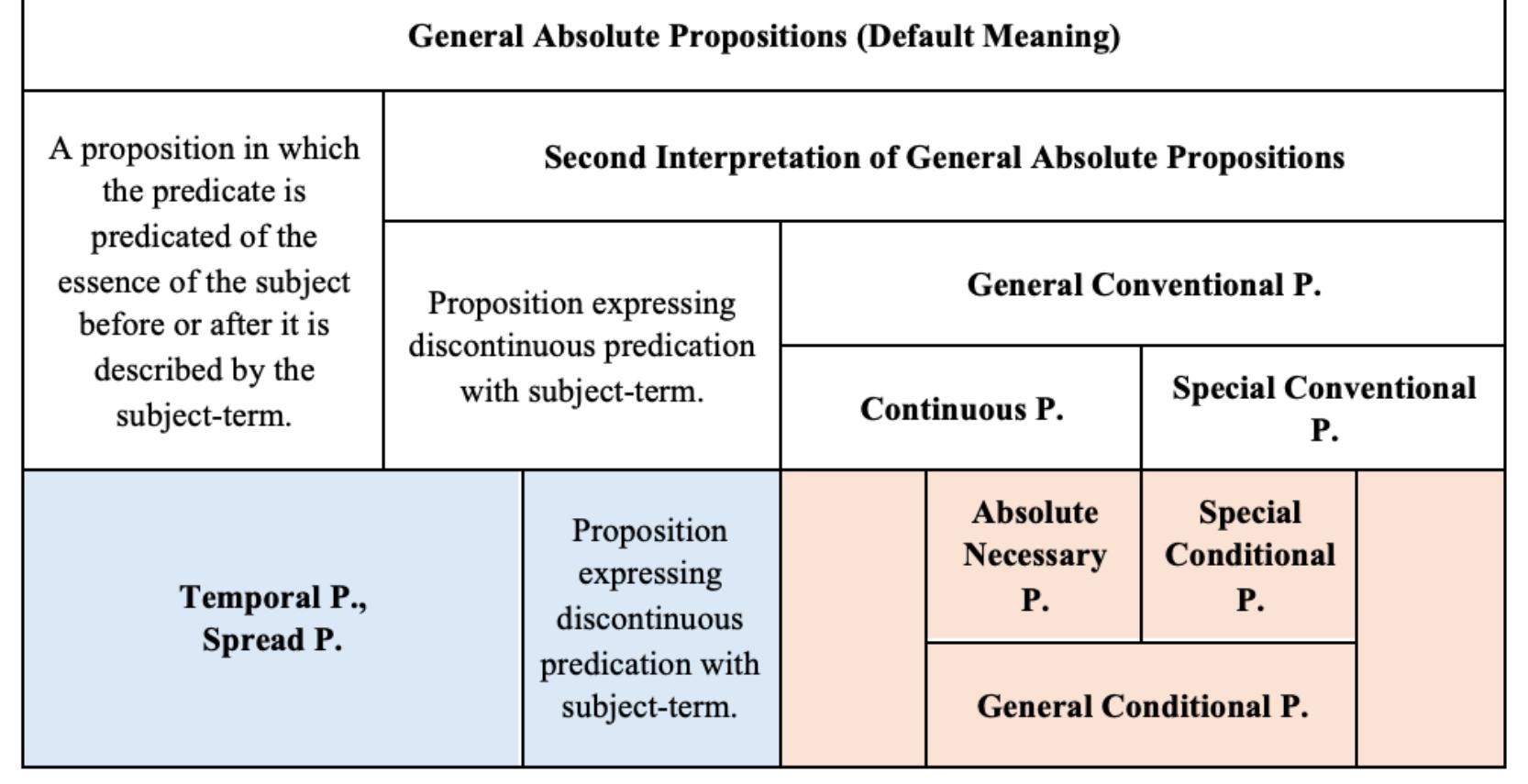
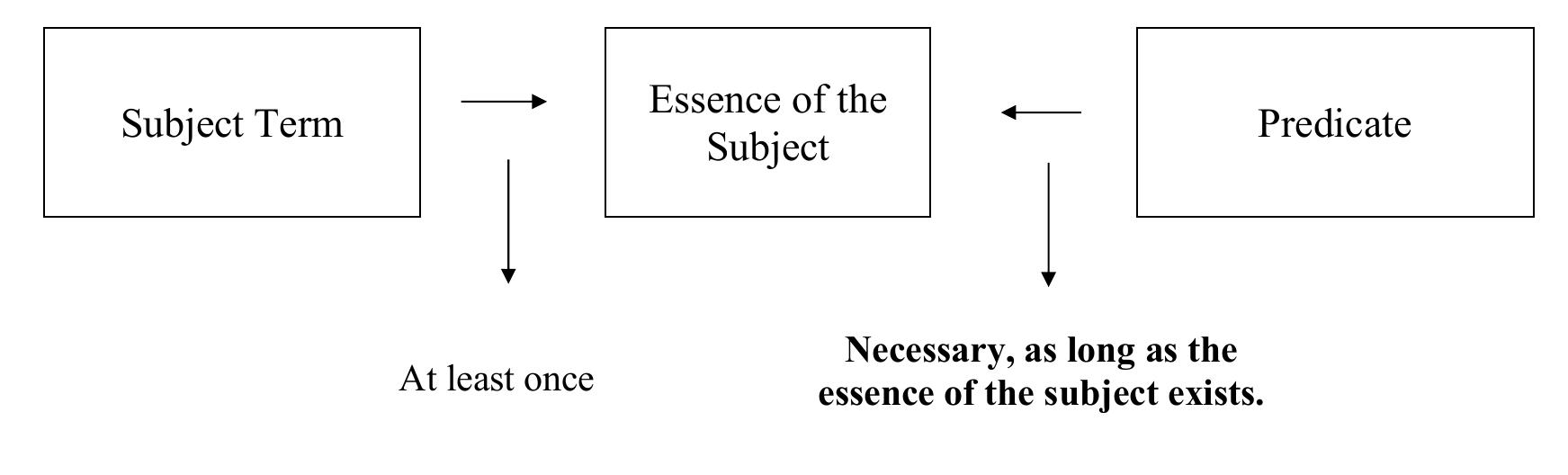
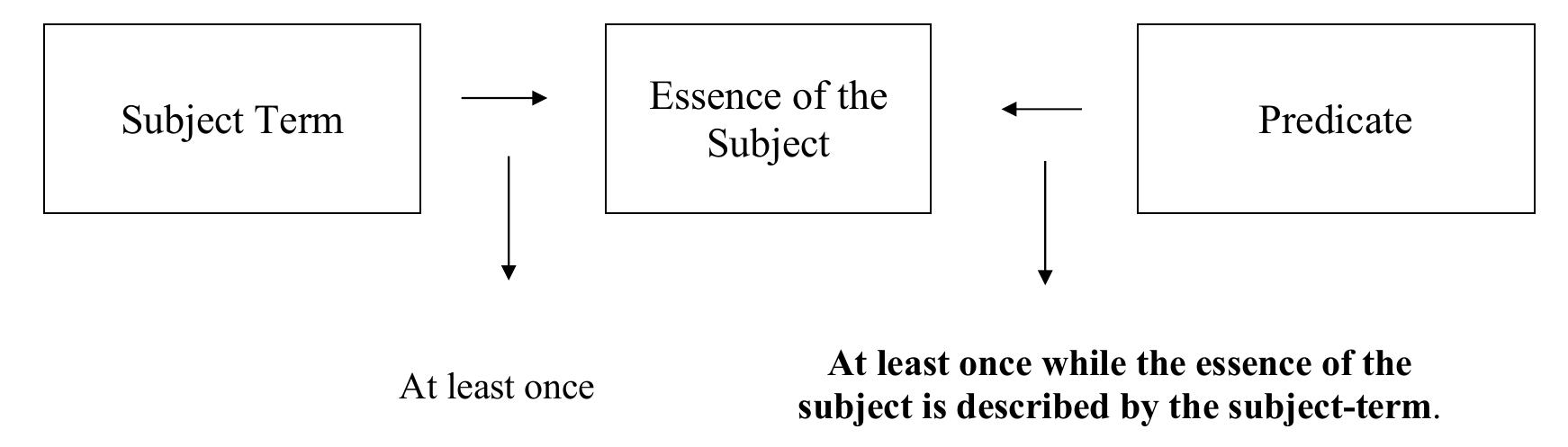
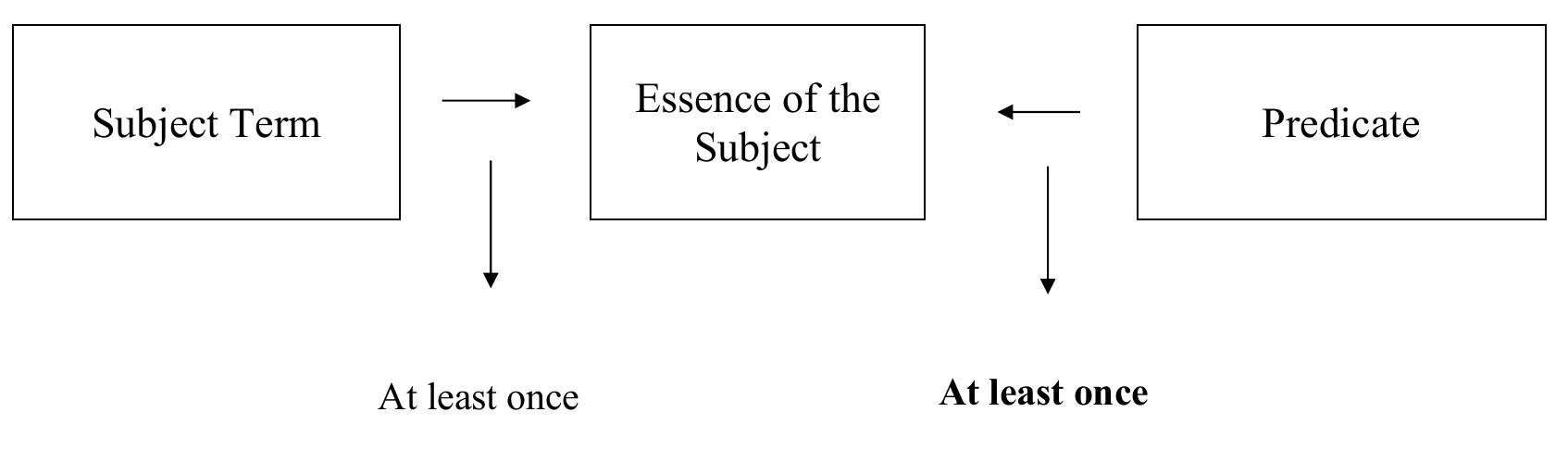
The subject of this article is to examine and analyze the understanding of propositions held by Ibn Kammūna, who lived in the 13 th century, from the perspective of the discipline of logic. Ibn Kammūna is a profound thinker who left... more
Later authors in the Islamic world oversimplify when they speak of an Illuminationist school initiated by Suhrawardī. We can certainly point to several philosophers who were inspired by Suhrawardī in the generations after his death, and... more
Thought experiments are crucial in scientific reasoning, helping to explore profound philosophical implications. Philosophers focus less on the current form or conclusions of scientific theories and more on the underlying thought... more
Mahiyet Ontolojisi: Felsefenin Temel Kavramları – I : Eserin tamamına erişmek için : chrome-extension://efaidnbmnnnibpcajpcglclefindmkaj/https://fcr.com.tr/wp-content/uploads/2025/12/Mahiyet-Ontolojisi-Baski-Son-1-1.pdf Sürekli değişim... more
The quality of resurrection and the range of the afterlife have been among the thorny issues of post-Avicennan philosophy. Avicenna notoriously denied the corporeal resurrection and limited the individual afterlife to the rational part of... more
Making sense of death and providing a postmortem narrative are two major functions of religious traditions across the world. Among the major theories dealing with the captivating questions of the afterlife, Dharmic religious traditions... more
The Baghdadi physician and philosopher, Sa'd ibn Mansur (Izz Aldawla) Ibn Kammuna (d. 1284), 1 modeled a form of inter-religious scriptural inquiry that may have been even more radical than scriptural reasoning. But, like only a few... more
This paper extends the case in 'Conscious Thought Under Sensory Deprivation'. It then presents an overlooked puzzle for scholars of Ibn Sina. It concludes by identifying other contexts in which Ibn Sina deploys the general method of the... more
Bu makalede, İslam metafizik düşüncesinin önemli bir meselesi olan varlık mahiyet ilişkisi, Sühreverdî'nin (ö. 587/1191) Hikmetü'l-İşrâk adlı eseri ve onun üzerine Şehrezûrî (ö. 687/1288) ve Kutbüddîn eş-Şîrâzî (ö. 710/1311) tarafından... more
While the concepts of dhāt/self, shu'ūr/consciousness, and al-shuʿūr bi-l-dhāt/selfconsciousness have gained prominence in recent philosophical discourse on the mind, particularly in the light of developments in neurobiology and... more
Dârülmülk Konya", bu sayısında XIII-XV. yüzyıl Konya ilim havzasına yolculuk ediyor ve Konya Masası'nı yeniden kurmanın imkanını matematik, astronomi, fizik, optik, kimya, farmakoloji, tıp gibi bilim alanlarında temayüz etmiş ulemâya... more
Ibn Sina (Avicenna) begins the Third Class of al-Isharat wa al-Tanbihat on psychology with a direction: “Return to yourself and reflect”. In the few ensuing chapters, he accordingly gives certain admonitions with the intention of... more
This essay is the second assignment for the course in "The Self: East and West" of the "Philosophy and Religion" master programme at the University of Wales Trinity Saint David. In this assignment, the leading research question is: "Is... more
In honor of Professor Amitai’s retirement, this article offers some initial find- ings concerning the triangular relationship between three Ilkhanid intellectu- als: the convert and vizier Rashīd al-Dīn, the Muslim polymath al-Shīrāzī,... more
While the concepts of dhāt/self, shu’ūr/consciousness, and al-shuʿūr bi-l-dhāt/self-consciousness have gained prominence in recent philosophical discourse on the mind, particularly in the light of developments in neurobiology and... more
Öz: Bu çalışmanın amacı, Kutbuddin eş-Şirâzî'nin akılcı felsefeye ve Meşşâî tanım teorisine yönelik eleştirileri incelemektir. İşrâk felsefesi söz konusu olduğunda akla gelen ilk isimlerden biri Kutbuddin eş-Şirâzî'dir. Bu bağlamda 14.... more
Doğru düşünmenin kurallarını koyan mantık, tasavvur ve tasdik olarak iki kısma ayrılır. Tasavvur bölümünün amacı, tasavvurî bilinenlerden tasavvurî bilinmeyenlere ulaşmaktır. Dolayısıyla tasavvurî bilinmeyenlere ulaşmak için tariflere... more
Şihabeddin Suhreverdi, Islam felsefesi tarihinde, Isrâkilik adoyla bilinenekolun kurucusudur. Kosa suren hayatona ragmen bircok eser yazmostor. Ne var ki,eserlerinin tam listesi, henuz tespit edilmemis durumdador. Arastormamoza... more
Revised entry on Ibn Kammuna for the online Stanford Encyclopedia of Philosophy
This article documents intellectual life in Iran under the Mongols through the case of Hindūšāh Naḫjawānī (d. before 728/1327-28), a scholar known primarily as a historian who has gained a certain notoriety thanks to the pioneering works... more
This article analyzes how the Syriac word for 'drop,' nuṭptā, was used by Barhebraeus (1226-1286) with the meaning of 'drop of semen' or 'sperm drop.' The term appears in Barhebraeus's writings within broader examinations of substantial... more
philosophers following Avicenna (d. 428/1037) share his view that the human soul originates with the human body and lives on eternally after its death. The only 7th/13th-century philosopher to reject the origination of the human soul and... more
This course explores Muslim-Christian interactions from the 7 th to the 13 th centuries. Through a close reading of texts spanning theology, philosophy, historiography, and poetry, we will examine the intricate and creative ways in which... more
On ikinci yüzyıl İslâm düşüncesinin genel çerçevesini ve sudûr teorisine dayalı klasik kozmolojiyi paylaşmalarına rağmen İşrâkî felsefe, kavramsal çerçevesi ve yöntemiyle Meşşâîlikten farklılaşarak kendine özgü bir sistem hüviyeti... more
I should, I suppose, begin by taking some personal responsibility for this controversy. When my late friend Hossein Ziai and I published our edition and translation of Suhrawardī's Ḥikmat al-Ishrāq (hereafter Philosophy of Illumination),... more
Mind and brain/matter interaction is one of the important and controversial issues in Islamic philosophy. In fact, in the resources of Islamic philosophy, one of the basic parts of philosophical discussions is related to mind’s... more
The flying man thought experiment upon which Avicenna grounds his theory of self-awareness (al-shu‘ūr al-dhātī) and justifies the argument that the soul is an immaterial, incorporeal and independent substance, has drawn as much interest... more
Paper for Islamic Perspectives on God and (Other) Monotheism(s) Workshop, Al-Mahdi Institute, 20–21 February 2023
İslâm felsefenin klasik dönem çalışmalarının ardından, on ikinci yüzyıl sonrasında ortaya çıkan yeni yapılanmanın resmini görmek ve sonraki süreci anlamak bakımından İbn Kemmûne (ö. 1284) dikkat çeken isimlerdendir. Bu makale onun daha... more
Isrâkiligin kurucusu olarak kabul edilen Şihabuddin Suhreverdi bir donem Messâi ogretiyi esas almisken daha sonra kendi dusuncesini gelistirmistir. O, Isrâkiligi tesis ederken iki farkli dusunceyi birlestirmeye calismistir. Suhreverdi’nin... more
I should, I suppose, begin by taking some personal responsibility for this controversy. When my late friend Hossein Ziai and I published our edition and translation of Suhrawardī's Ḥikmat al-Ishrāq (hereafter Philosophy of Illumination),... more
This work, which examines the ethical thought of the famous theologian and scholar of literature al-Jāḥiẓ (d. 255/869), consists of an introduction and three chapters. The introduction discusses al-Jāḥiẓ's sources of ethical thought and... more
Download research papers for free!